


A PTR-TOF goes on a research trip to the Baltic Sea
When a research plan falls through, scientists often need to be creative. This is the story of Mehrshad Foroughan, a postdoc from the Center for Volatile Interactions (VOLT) at the University of Copenhagen. When a broken-down research vessel derailed his team's plan to study the North Sea, they had to pivot. The new target: a remote Finnish island in the Baltic Sea. With traditional shipping methods proving too slow, Foroughan took matters into his own hands, renting a moving van to transport a highly sensitive and sophisticated scientific instrument across four countries and over 1500 kilometers. This is a tale of scientific ingenuity, determination, and a road trip that turned a logistical nightmare into a successful research campaign.
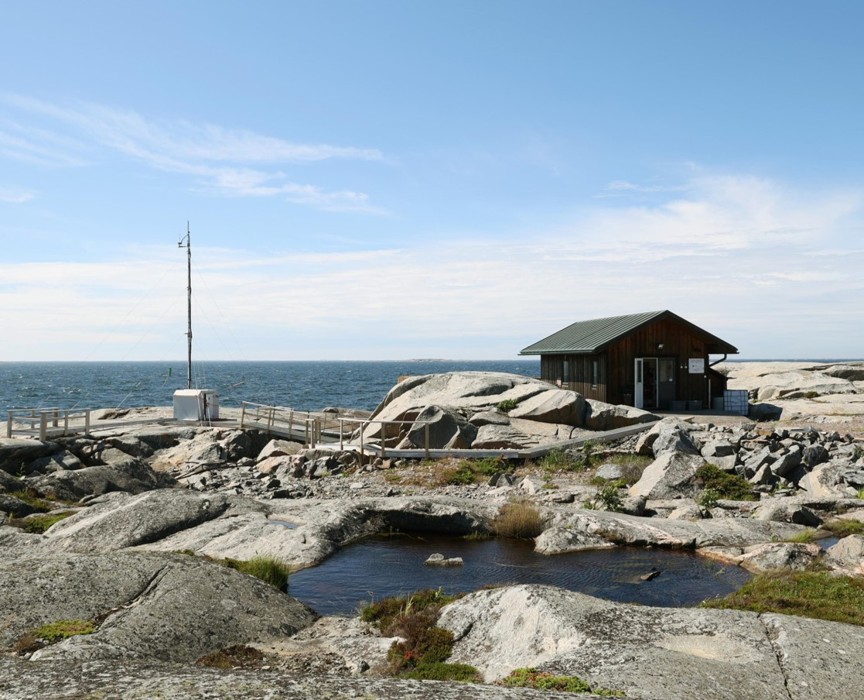
A story by postdoc Mehrshad Foroughan of VOLT – Center for Volatile Interactions:
“Last year in May, our precious PTR instrument sat comfortably at GEOMAR in Kiel, Germany, ready for what should have been a challenging ship-board measurement campaign. The plan was to load the instrument onto a research vessel, sail into the North Sea, and conduct our measurements at Heligoland. We were about to test the shock absorbers that would replace the PTR's wheels on the ship. Science, however, has a sense of humor. One month before departure, we received the email that the research vessel's engine had broken, and our planned North Sea campaign was dead in the water—quite literally. But scientists are nothing if not resourceful. Through our network of collaborators, we discovered an alternative: Uto Island in the Baltic Sea. Different location, different logistics, but the science could continue.
There was just one small problem—how do you transport a PTR from Kiel, Germany to a remote Finnish island? We didn't want to delay any longer and lose the biologically active season. When proper shipping channels failed us, we did what any determined research team would do: rented a moving van.
So I packed the PTR, which is worth more than most people's cars, into a commercial moving van for a road trip across Northern Europe. I planned a three-day journey from Kiel to Uto. On the first day, I brought the instrument home to Copenhagen and packed additional required equipment. The second day involved crossing from Denmark into Sweden and heading north toward Stockholm.
The final leg brought a new dimension to my journey—maritime transport. Loading the van onto the ferry to Turku, I found myself crossing the Baltic Sea, the same waters where our instrument would soon be collecting data. From Turku, the final drive to Helsinki felt like a victory lap. I had successfully transported our instrument across four countries, over sea and land.
In the final chapter, my colleague in Helsinki took over, carefully transferring the PTR for its last journey to Uto Island—like a relay race spanning Northern Europe. Our instrument, which had traveled over 1,500 kilometers by road and sea, arrived safely at Uto, ready to collect the data we needed. The measurements were successful, the campaign was a success, and we had quite a story to tell.
The most successful campaigns usually aren't the ones that go according to plan—they're the ones where creative problem-solving and determination turn potential setbacks into unexpected adventures.”
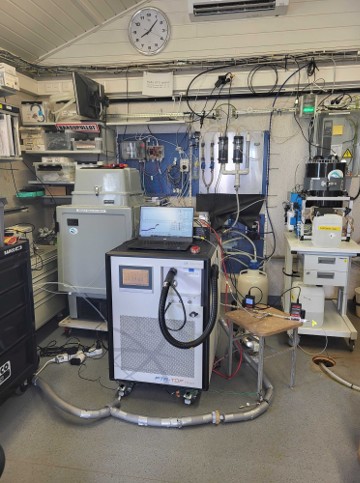
© Story and images by Mehrshad Foroughan, VOLT – Center for Volatile Interactions
Learn more about Mehrshad Foroughans work in exploring how volatile organic compounds are exchanged between the ocean and the atmosphere in the video.